
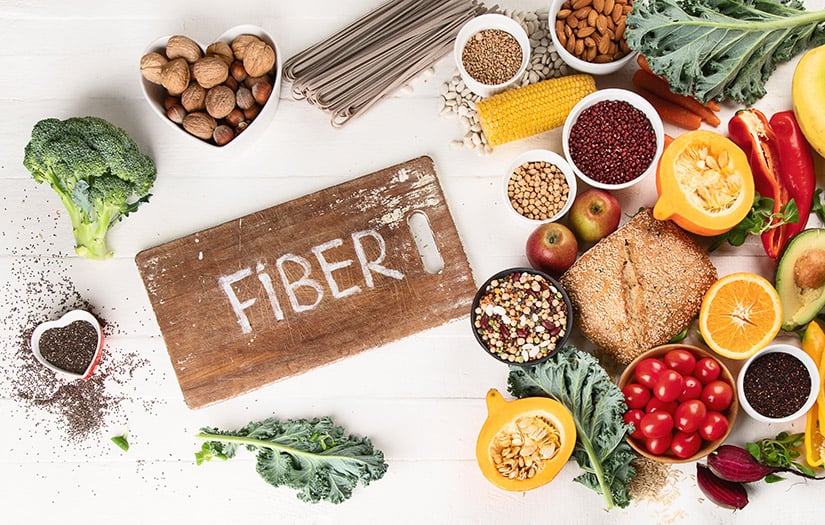
Hemorrhoids are one of the most common yet misunderstood digestive health issues. Many people experience hemorrhoids at some point in their lives, often due to poor bowel habits, constipation, or excessive straining. While medical treatments are effective, diet plays a critical role in preventing hemorrhoids, and fiber is one of the most powerful tools available.
At Toronto Hemorrhoid Clinic, we emphasize prevention just as much as treatment. Understanding how fiber helps prevent hemorrhoids can significantly reduce discomfort, recurrence, and the need for medical intervention. This guide explains the science behind fiber, its role in hemorrhoids prevention, and how to incorporate it effectively into your daily routine.
What Are Hemorrhoids?
Hemorrhoids are swollen veins in the lower rectum or anus caused by increased pressure. This pressure can occur from:
-
Chronic constipation
-
Straining during bowel movements
-
Sitting for long periods
-
Low-fiber diets
-
Pregnancy
-
Obesity
Hemorrhoids may be internal (inside the rectum) or external (around the anus). Both types of hemorrhoids are strongly influenced by bowel habits, which makes fiber intake essential.
Why Fiber Is Essential for Preventing Hemorrhoids
Fiber is a type of carbohydrate found in plant-based foods that the body cannot fully digest. Instead of being absorbed, fiber passes through the digestive system, helping regulate bowel movements and reduce pressure in the rectal area.
Low fiber intake is one of the leading causes of hemorrhoids. Without enough fiber, stools become hard, dry, and difficult to pass—forcing you to strain. This straining directly increases pressure on rectal veins, leading to hemorrhoids.
How Fiber Helps Prevent Hemorrhoids
1. Fiber Softens Stool
Fiber absorbs water and increases stool bulk, making bowel movements softer and easier to pass. Soft stools reduce the need for straining, which is one of the biggest triggers for hemorrhoids.
When stool passes smoothly, pressure on rectal veins decreases significantly, lowering the risk of developing hemorrhoids.
2. Fiber Promotes Regular Bowel Movements
Irregular bowel movements can cause both constipation and diarrhea—two conditions closely linked to hemorrhoids. Fiber helps regulate bowel movements by creating consistency.
Regular bowel movements:
-
Reduce rectal pressure
-
Prevent stool buildup
-
Minimize irritation to hemorrhoidal veins
Consistency is key to hemorrhoids prevention.
3. Fiber Reduces Rectal Pressure
Straining increases abdominal and rectal pressure, which causes veins to swell. Fiber allows stools to pass with minimal effort, significantly reducing pressure on rectal tissues and veins.
Over time, this pressure reduction helps prevent both internal and external hemorrhoids.
4. Fiber Supports Long-Term Hemorrhoids Prevention
Patients treated for hemorrhoids often experience recurrence if dietary habits don’t change. A high-fiber diet reduces the chance of hemorrhoids returning after treatment.
At Toronto Hemorrhoid Clinic, dietary counseling is often part of long-term hemorrhoids management.
Types of Fiber That Help Prevent Hemorrhoids
Soluble Fiber
Soluble fiber dissolves in water and forms a gel-like substance that softens stool.
Examples include:
-
Oats
-
Barley
-
Apples
-
Citrus fruits
-
Beans
Soluble fiber is especially effective for patients prone to constipation-related hemorrhoids.
Insoluble Fiber
Insoluble fiber adds bulk to stool and helps move waste through the digestive system.
Examples include:
-
Whole grains
-
Brown rice
-
Nuts
-
Seeds
-
Vegetables
Both types of fiber work together to prevent hemorrhoids effectively.
How Much Fiber Do You Need to Prevent Hemorrhoids?
Most adults consume far less fiber than recommended. For optimal hemorrhoids prevention:
-
Men: 30–38 grams per day
-
Women: 21–25 grams per day
Gradually increasing fiber intake is important to avoid bloating or gas.
Best Fiber-Rich Foods for Hemorrhoids Prevention
Adding these foods to your diet can significantly reduce hemorrhoids risk:
Fruits
-
Apples (with skin)
-
Pears
-
Berries
-
Oranges
Vegetables
-
Broccoli
-
Spinach
-
Carrots
-
Brussels sprouts
Whole Grains
-
Oatmeal
-
Whole wheat bread
-
Brown rice
-
Quinoa
Legumes
-
Lentils
-
Chickpeas
-
Black beans
-
Kidney beans
Seeds and Nuts
-
Chia seeds
-
Flaxseeds
-
Almonds
Consistent intake of these foods improves bowel function and reduces hemorrhoids symptoms.
Fiber Supplements and Hemorrhoids
For some patients, diet alone may not provide enough fiber. Fiber supplements can help when used correctly.
Common fiber supplements include:
-
Psyllium husk
-
Methylcellulose
-
Wheat dextrin
Fiber supplements can:
-
Improve stool consistency
-
Reduce straining
-
Support hemorrhoids treatment outcomes
A hemorrhoid specialist can guide you on appropriate supplement use.
Fiber and Hydration: A Critical Combination
Fiber works best when paired with adequate hydration. Without enough water, fiber can actually worsen constipation and hemorrhoids.
Tips:
-
Drink at least 8–10 glasses of water daily
-
Increase fluids as fiber intake increases
-
Avoid excessive caffeine and alcohol
Proper hydration enhances fiber’s ability to prevent hemorrhoids.
Common Fiber Mistakes That Can Worsen Hemorrhoids
Many patients unintentionally make mistakes when increasing fiber:
-
Increasing fiber too quickly
-
Not drinking enough water
-
Relying only on supplements
-
Ignoring physical activity
At Toronto Hemorrhoid Clinic, we educate patients on balanced lifestyle changes to avoid worsening hemorrhoids.
Can Fiber Help Existing Hemorrhoids?
Yes. Fiber does not just prevent hemorrhoids—it also helps manage existing hemorrhoids by:
-
Reducing bleeding
-
Minimizing irritation
-
Preventing symptom flare-ups
-
Supporting healing after treatment
Fiber is a cornerstone of both hemorrhoids prevention and management.
When Fiber Alone Is Not Enough
While fiber is essential, it may not fully resolve moderate to severe hemorrhoids. Symptoms such as persistent bleeding, pain, or prolapse require professional evaluation.
You should see a hemorrhoid specialist if:
-
Bleeding continues despite diet changes
-
Pain worsens
-
Hemorrhoids recur frequently
-
Symptoms interfere with daily life
Early evaluation leads to more effective treatment.
Why Choose Toronto Hemorrhoid Clinic?
At Toronto Hemorrhoid Clinic, we take a comprehensive approach to hemorrhoids care:
-
Specialized hemorrhoids assessment
-
Personalized dietary and lifestyle guidance
-
Minimally invasive treatment options
-
Long-term prevention strategies
-
Patient-centered, discreet care
Our goal is not just to treat hemorrhoids—but to help prevent them from coming back.
Preventing Hemorrhoids Starts with Fiber
Fiber plays a powerful role in preventing hemorrhoids by improving bowel movements, reducing strain, and lowering rectal pressure. A fiber-rich diet, combined with hydration and healthy habits, can dramatically reduce your risk of developing hemorrhoids or experiencing recurrence.
If you are struggling with hemorrhoids symptoms or want professional guidance on prevention, Toronto Hemorrhoid Clinic is here to help.
Healthy digestion starts with fiber—and prevention starts with knowledge.
