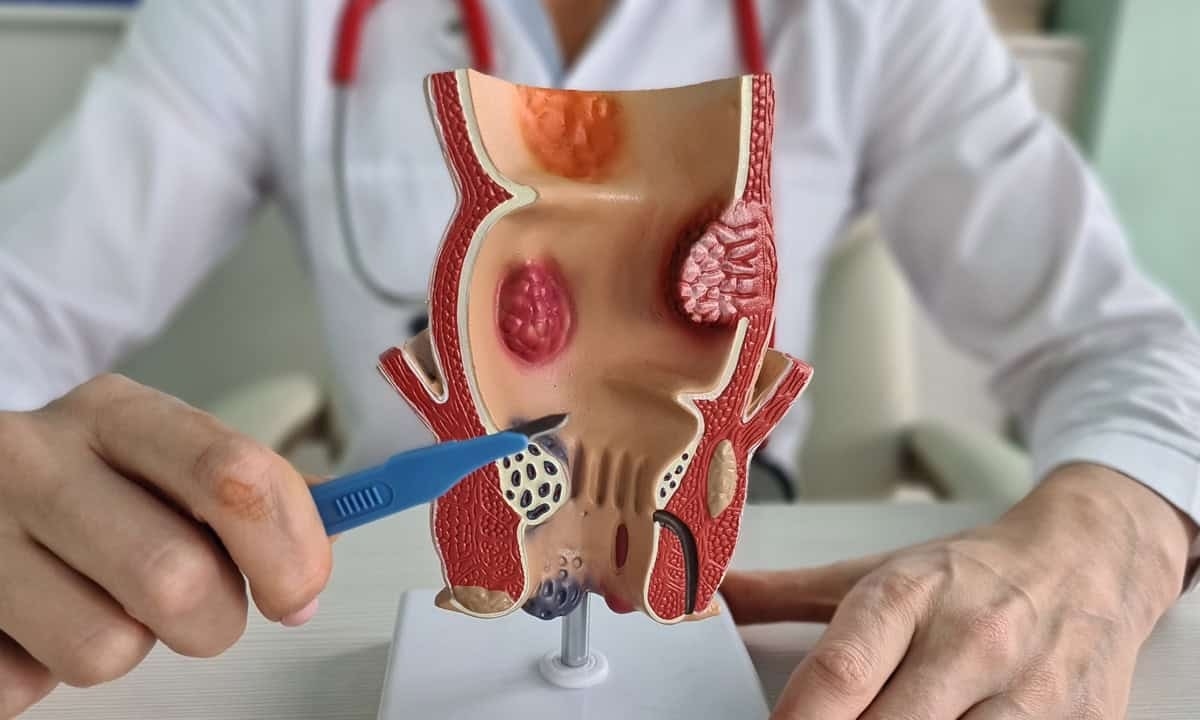
Hemorrhoids are a common condition that affects millions of adults worldwide, including many in Toronto. They are swollen veins in the anal canal or rectum and can cause discomfort, pain, bleeding, and itching. Despite being widespread, hemorrhoids are often misunderstood, and many patients fear that they could lead to serious diseases such as cancer.
At Toronto Hemorrhoid Clinic, we receive frequent questions from patients concerned about whether hemorrhoids can turn into cancer. This blog aims to provide clear, evidence-based information about hemorrhoids, their symptoms, and the differences between hemorrhoids and rectal or anal cancer. By understanding the facts, patients can make informed decisions about seeking timely care.
What Are Hemorrhoids?
Hemorrhoids are swollen veins in the rectal or anal area caused by increased pressure in the veins. Factors that contribute to hemorrhoids include:
-
Chronic constipation or straining during bowel movements
-
Chronic diarrhea
-
Obesity
-
Pregnancy
-
Low-fiber diets
-
Prolonged sitting
-
Aging
There are two main types of hemorrhoids:
-
Internal hemorrhoids: Occur inside the rectum and are often painless, though they can cause bleeding.
-
External hemorrhoids: Occur around the anus, causing pain, itching, swelling, and discomfort.
Understanding these basics is important to differentiate between benign hemorrhoids and more serious conditions.
Can Hemorrhoids Turn Into Cancer?
The short answer is no. Hemorrhoids themselves do not become cancerous. Hemorrhoids are vascular structures, not cellular growths, and there is no medical evidence that they can transform into cancer.
However, some symptoms of hemorrhoids, such as rectal bleeding or lumps, can be mistaken for signs of anal or rectal cancer. This is why it is essential to consult a specialist if you notice any unusual symptoms, even if you have a history of hemorrhoids.
Understanding the Difference Between Hemorrhoids and Cancer
Certain symptoms overlap between hemorrhoids and cancer, making it important to differentiate:
| Symptom | Hemorrhoids | Anal/Rectal Cancer |
|---|---|---|
| Bleeding | Bright red, during bowel movements | May be darker, mixed with stool, or persistent |
| Pain | Mild to moderate with external hemorrhoids | May increase over time, persistent pain |
| Lump | Soft, swollen vein | Firm mass, sometimes irregular |
| Itching | Common with external hemorrhoids | May occur but less typical |
| Change in bowel habits | Rare | Often present, such as diarrhea, constipation, or narrow stools |
| Systemic symptoms | None | Weight loss, fatigue, anemia |
Key takeaway: While hemorrhoids themselves are benign, any persistent bleeding, lumps, or changes in bowel habits should be evaluated promptly.
Causes of Rectal and Anal Cancer
Cancer in the anal or rectal area can develop due to cellular mutations, which are unrelated to hemorrhoids. Risk factors include:
-
Age (over 50 years)
-
Family history of colorectal cancer
-
Certain genetic conditions (e.g., Lynch syndrome)
-
Chronic inflammatory bowel diseases (Crohn’s or ulcerative colitis)
-
Human papillomavirus (HPV) infection
-
Smoking and obesity
Understanding these risk factors helps patients recognize the need for screening, regardless of hemorrhoid history.
When to See a Specialist
At Toronto Hemorrhoid Clinic, we advise patients to seek professional evaluation if they notice:
-
Rectal bleeding, especially if persistent
-
Lumps or masses that don’t resolve
-
Pain that worsens over time
-
Unexplained weight loss or fatigue
-
Changes in bowel habits
Early evaluation ensures proper diagnosis and prevents unnecessary anxiety.
How Hemorrhoids Are Diagnosed
Diagnosing hemorrhoids versus more serious conditions involves several steps:
-
Medical history review – Understanding symptoms, family history, and lifestyle factors
-
Physical examination – Checking for external hemorrhoids or anal masses
-
Digital rectal examination – Helps identify internal hemorrhoids or suspicious masses
-
Anoscopy or sigmoidoscopy – Visualizes internal hemorrhoids and checks for other abnormalities
Accurate diagnosis is critical to ensure that patients receive the right treatment and to rule out cancer when needed.
Treatment Options for Hemorrhoids
While hemorrhoids do not cause cancer, treating them promptly improves quality of life and prevents complications. Treatment depends on severity:
1. Lifestyle and Home Remedies
-
Increase dietary fiber to soften stools
-
Drink plenty of water
-
Avoid straining during bowel movements
-
Take sitz baths to reduce pain and inflammation
-
Use over-the-counter topical creams for symptom relief
2. Minimally Invasive Procedures
-
Rubber band ligation: Cuts off blood supply to internal hemorrhoids
-
Sclerotherapy: Shrinks hemorrhoid tissue with a chemical solution
-
Infrared coagulation: Uses heat to reduce hemorrhoids
-
Laser hemorrhoidoplasty: Minimally invasive laser treatment with faster recovery
3. Surgical Treatment
-
Reserved for severe or persistent cases
-
Hemorrhoidectomy: Surgical removal of hemorrhoids
-
Stapled hemorrhoidopexy: Lifts and secures prolapsed hemorrhoids
Early evaluation at Toronto Hemorrhoid Clinic ensures that patients receive the least invasive treatment that provides lasting relief.
Prevention Tips for Hemorrhoids
Preventing hemorrhoids reduces discomfort and complications:
-
Eat a high-fiber diet with fruits, vegetables, and whole grains
-
Drink plenty of water daily
-
Avoid prolonged sitting or straining
-
Exercise regularly to improve circulation
-
Maintain a healthy weight
-
Establish healthy bowel habits
These strategies are simple yet effective at keeping hemorrhoids under control.
The Importance of Patient Education
Many patients fear hemorrhoids because of myths linking them to cancer. At Toronto Hemorrhoid Clinic, we focus on:
-
Providing clear, factual education about hemorrhoids
-
Helping patients understand symptoms that require medical attention
-
Offering modern, minimally invasive treatment options
-
Reducing fear and stigma associated with anal and rectal health
Patient education is key to early detection, effective treatment, and long-term management.
Key Takeaways
-
Hemorrhoids cannot turn into cancer.
-
Persistent bleeding or lumps should always be evaluated to rule out more serious conditions.
-
Early diagnosis allows for minimally invasive treatments and faster recovery.
-
Lifestyle changes and preventive measures can reduce recurrence and discomfort.
-
Seeking professional care ensures peace of mind and effective management.
At Toronto Hemorrhoid Clinic, our team of specialists provides comprehensive hemorrhoids care, from diagnosis to treatment and prevention. Early evaluation not only improves outcomes but also alleviates concerns about cancer and other serious conditions.
Conclusion
Hemorrhoids are common, non-cancerous, and highly treatable. While hemorrhoids do not lead to cancer, persistent symptoms should never be ignored. At Toronto Hemorrhoid Clinic, we provide expert evaluation, minimally invasive treatments, and ongoing patient education to ensure that every patient receives safe, effective, and compassionate care.
If you are experiencing bleeding, discomfort, or swelling in the anal region, book a consultation at Toronto Hemorrhoid Clinic today to get the correct diagnosis and personalized treatment plan. Early intervention improves outcomes and restores comfort.
